Written by a Caring Mom at Parenting Stories
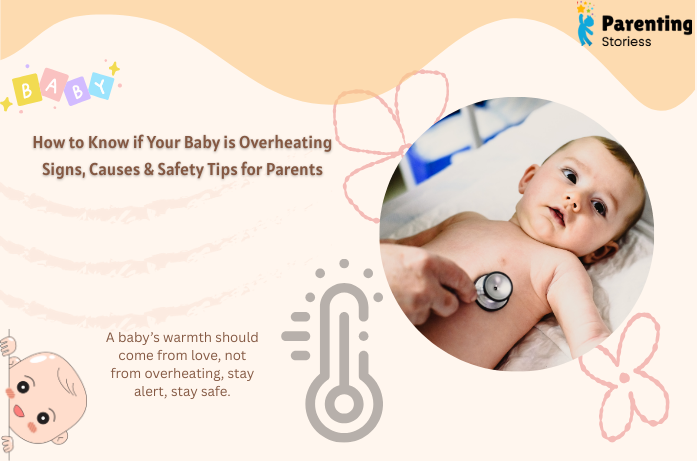
As a parent, one of the biggest concerns during sleep or warm weather is making sure your baby is comfortable and safe. Understanding the signs of overheating in newborn babies is very important because infants cannot regulate their body temperature as well as adults. Even a slightly warm room or too many clothing layers can cause a baby to become overheated.
Many parents worry about their baby being cold, but overheating can actually be more dangerous. Pediatric experts warn that overheating may increase the risk of sleep problems and can even contribute to Sudden Infant Death Syndrome (SIDS). That’s why recognizing the signs of overheating in newborn babies early can help you take quick steps to keep your baby safe and comfortable.
In this guide, you’ll learn the most common signs of overheating in newborn infants, what causes babies to get too warm, and simple safety tips every parent can follow.
While a little warmth brings comfort, too much heat can be risky. In fact, the American Academy of Pediatrics (AAP) highlights overheating as a factor that increases the risk of Sudden Infant Death Syndrome (SIDS).
Why Overheating Is a Concern for Newborn Babies
Newborns and infants aren’t just “small adults”, their bodies function differently, especially when it comes to tNewborn babies have very delicate temperature regulation systems. Unlike adults, their bodies cannot easily cool down when they get too warm.
Here are a few reasons why newborns are more sensitive to heat:
Immature temperature regulation
A newborn’s body is still developing and cannot sweat efficiently to cool down.
Small body size
Babies gain and lose heat much faster than adults because of their body size.
Limited movement
If a baby feels too warm, they cannot remove blankets or change position to cool themselves.
Because of these reasons, parents must pay attention to the signs of overheating in newborn babies, especially during sleep or warm weather.
Signs of Overheating in Newborn Babies
Recognizing the signs of overheating in newborn infants can help parents act quickly before the baby becomes uncomfortable or unwell. Unlike hunger or tiredness, overheating may not always cause immediate crying.
Here are some common signs to watch for:
1. Sweaty chest, neck, or back: One of the clearest signs of overheating in newborn babies is sweat on the chest, neck, or back.
2. Damp or sweaty hair: If your baby’s hair feels wet or damp even when the room is not very warm, it may indicate overheating.
3. Flushed or red skin: Red cheeks, warm skin, or red ears can sometimes signal that a baby is getting too hot.
4. Rapid breathing: Fast breathing or unusual restlessness can also be one of the signs of overheating in newborn infants.
5. Heat rash: Tiny red bumps appearing on the neck, chest, or skin folds are often caused by excess heat and sweating.
6. Skin feels very warm: If your baby’s chest or neck feels unusually hot instead of comfortably warm, it may be a sign they need to cool down.
Helpful parent tip: Hands and feet often feel cooler because of circulation, so always check the chest, back, or neck to judge your baby’s temperature accurately.
Common Causes of Overheating in Newborn Babies
Understanding the causes can help parents prevent the signs of overheating in newborn babies before they occur.
Too many clothing layers: Babies only need one more layer than adults in most situations.
Heavy blankets or bedding: Loose blankets, duvets, and pillows can trap heat and increase the risk of overheating.
Warm nursery temperature: The safest nursery temperature for babies is 68–72°F (20–22°C).
Crib near heat sources: Placing a crib near heaters, fireplaces, or sunny windows can cause the baby to become overheated.
Hats indoors: Keeping hats or hoods on a baby indoors can trap heat and lead to overheating.
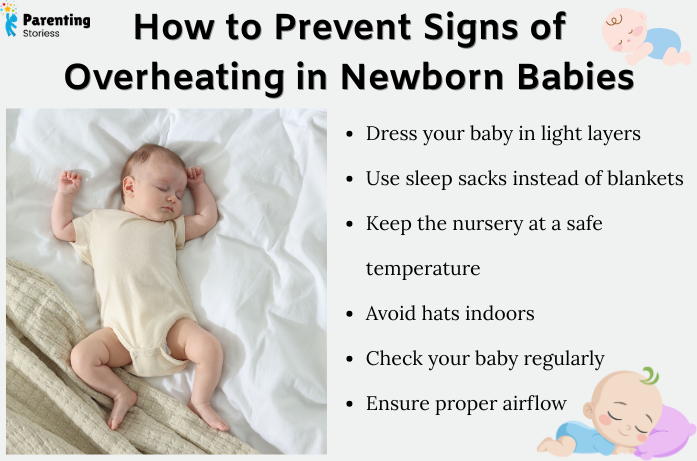
How to Prevent Signs of Overheating in Newborn Babies
1. Dress your baby in light layers
Babies usually need just one extra layer compared to adults. Avoid bulky outfits, thin cotton is best.
2. Use a sleep sack instead of loose blankets
Sleep sacks keep babies warm without the risks of blankets, which can trap heat and pose suffocation hazards.
3. Keep the nursery cool and airy
Aim for 68–72°F (20–22°C). A fan or slightly open window helps air circulate, but don’t point air directly at your baby.
4. Skip hats or hoods indoors
Covering a baby’s head inside can trap unnecessary heat. Hats are for outdoors, not for sleeping or resting inside.
5. Check their chest or neck regularly
Hands and feet can be cooler naturally. The chest or back of the neck gives a more accurate sense of body temperature.
6. Set a gentle reminder overnight
Temperatures often rise in the early morning. A quick check can ensure your baby stays comfortable and safe.
What to Do if You Notice Signs of Overheating in Newborn
- Remove one clothing layer
- Move your baby to a cooler room
- Offer breast milk or formula for hydration
- Allow the baby to rest in a comfortable temperature
If your baby becomes very sleepy, difficult to wake, or breathing rapidly, call your pediatrician immediately AAP – Safe Sleep Guidelines.]
Special Situations: Premature or Sick Babies
Some babies are even more sensitive to heat and require extra attention.
Premature babies: Preemies have more difficulty controlling their body temperature and may show the signs of overheating in newborn babies faster.
Babies with fever: If a baby under three months has a temperature above 100.4°F (38°C), seek medical advice immediately.
FAQs
1. How can I tell the signs of overheating in newborn during sleep?
Check the baby’s chest or neck. If the skin feels sweaty, clammy, or very warm, these may be signs of overheating in newborn babies.
2. Is it safer for a baby to be slightly cool or too warm?
Experts say it is safer for a baby to be slightly cool rather than overheated.
3. Can a fan help prevent overheating?
Yes. A fan can improve air circulation and help reduce the chances of overheating, but it should not blow directly on the baby.
4. Should I swaddle if I’m worried about signs of overheating in newborn?
Swaddling is safe when done properly, but use lightweight cotton swaddles and stop once the baby starts rolling.
5. Do sleep sacks help prevent overheating?
Yes. Choosing the correct TOG rating sleep sack helps maintain a comfortable temperature for your baby.
Final Thoughts
Understanding the signs of overheating in newborn babies helps parents create a safer sleep environment for their little ones. By dressing your baby in light layers, keeping the nursery at a comfortable temperature, and checking their chest or neck regularly, you can prevent overheating and ensure peaceful sleep.
Small routines, like using breathable sleepwear, maintaining airflow in the nursery, and monitoring your baby’s comfort, can make a big difference in keeping your newborn safe and happy.
Because when your baby sleeps safely, parents sleep better too.
Parenting a newborn comes with many questions, but you don’t have to figure it out alone. Subscribe to Parenting Stories for practical baby care tips, safety advice, and expert-backed guides delivered straight to you.
Disclaimer:
This article is for informational purposes only. It is not a substitute for professional medical advice. Always consult your pediatrician if you’re concerned about your baby’s temperature, health, or sleep safety.