

Written with love by a caring mom at Parenting Stories
If you find yourself asking, “Why Am I So Tired All the Time in Pregnancy?”, rest assured that this is one of the most common experiences of pregnancy. You might wake up feeling tired, struggle to make it through the day, and still feel as though you need even more rest.
The process of body development during pregnancy creates a condition which produces extreme exhaustion for all women. Your body needs to complete multiple internal processes which require heavy energy investment that results in extreme tiredness.
The article will explain the actual causes of fatigue together with its normal limits and effective methods which support you while reducing your stress level.
Why Am I So Tired All the Time in Pregnancy?
If you feel tired all the time during pregnancy, it’s not just in your head, it’s your body responding to massive physical and hormonal changes.
From the moment pregnancy begins, your body starts:
- Producing pregnancy hormones
- Building the placenta
- Increasing blood supply
- Supporting your baby’s early development
All of this requires energy. In fact, your body is working harder now than it usually does in a full day, even when you are resting. That’s why feeling tired all the time during pregnancy is completely natural and expected.
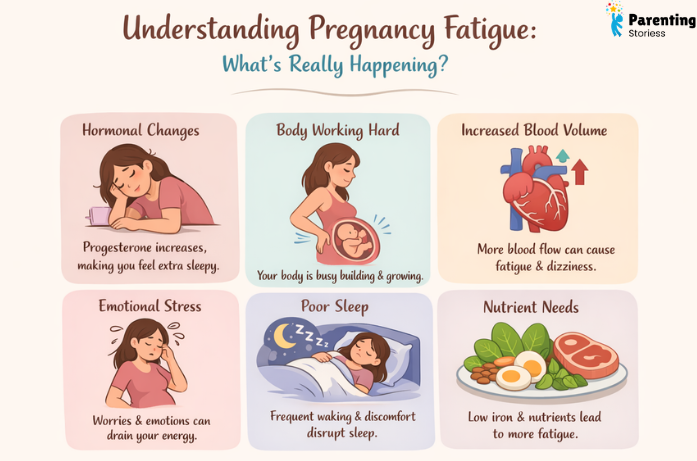
Understanding Pregnancy Fatigue: What’s Really Happening?
To feel more at ease, it helps to understand what’s causing this constant exhaustion.
1. Hormonal Changes Take a Toll
In early pregnancy, the hormone progesterone rises quickly. While it plays a very important role in supporting your baby, it also has a calming, almost sleep-inducing effect on your body.
Because of this, many moms start to feel unusually sleepy during the day. You might notice lower energy levels, slower thinking, or just a general feeling of heaviness. This is one of the biggest reasons why women feel tired all the time during pregnancy, especially in the first trimester.
2. Your Body Is Working Non-Stop
Even when you are resting, your body is incredibly busy behind the scenes. It is forming the placenta, expanding your uterus, and supporting rapid cell growth for your baby.
All of this requires a huge amount of energy. So even if you feel like you haven’t done much physically, your body has actually been working all day, which naturally leaves you feeling drained and exhausted.
3. Increased Blood Volume
During pregnancy, your body produces more blood to supply oxygen and nutrients to your growing baby. While this is essential, it also puts extra demand on your body.
You may experience symptoms like mild dizziness, lower blood pressure, or general fatigue. Your heart is also working harder than usual, which adds to that constant feeling of tiredness.
4. Emotional and Mental Load
Pregnancy is not just physical, it’s deeply emotional too. Your mind is processing many thoughts, from excitement about your baby to concerns about the future.
Even positive emotions can feel overwhelming at times. This mental and emotional load quietly uses up your energy, which is why you may feel tired all the time during pregnancy even if you haven’t done much physically.
5. Sleep Is Often Disrupted
You might be spending more time in bed, but that doesn’t always mean you’re getting good-quality sleep.
Frequent bathroom trips, nausea, body discomfort, or difficulty finding a comfortable sleeping position can interrupt your rest. As a result, you may wake up feeling just as tired as when you went to bed.
6. Nutritional Demands Increase
Your body now needs more nutrients than ever to support both you and your baby. If you are not getting enough iron, protein, or overall calories, your energy levels can drop quickly.
Iron deficiency, in particular, is very common during pregnancy and can make you feel weak, breathless, and extremely tired. Eating a balanced, nourishing diet can make a noticeable difference in how you feel.
Experts at the Cleveland Clinic also highlight that low iron levels and poor nutrition are common causes of pregnancy fatigue.
When Does Pregnancy Fatigue Feel the Strongest?
Understanding the timeline of fatigue can help you feel more prepared.
First Trimester: The Most Exhausting Phase
This is when fatigue is usually at its peak. Hormones are rising rapidly, and your body is adjusting to pregnancy.
Many moms describe this stage as:
- Constant sleepiness
- Low energy
- Difficulty completing daily tasks
Second Trimester: A Bit of Relief
For many women, energy levels improve during the second trimester. You may feel more active and comfortable.
Third Trimester: Tiredness Returns
As your baby grows, your body carries more weight, and sleep becomes harder again.
Fatigue during this stage is often due to:
- Physical strain
- Discomfort
- Interrupted sleep
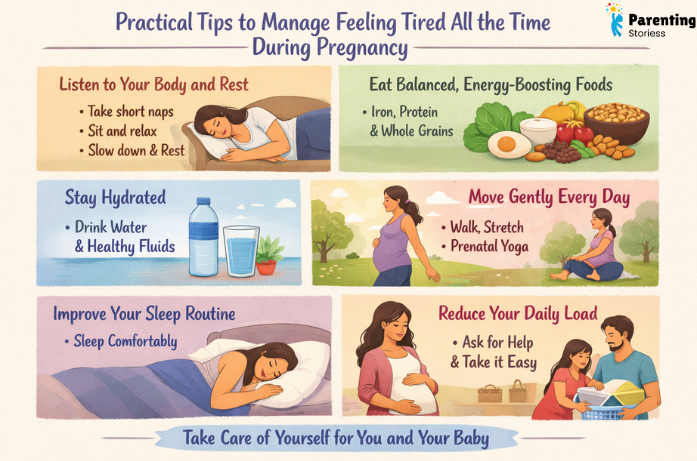
Practical Tips to Manage Feeling Tired All the Time During Pregnancy
While you may not completely eliminate fatigue, you can definitely make it easier to handle with small, mindful changes in your daily routine. The key is to listen to your body and treat yourself with the same care you would give your baby.
1. Listen to Your Body and Rest
This is the most important thing you can do during pregnancy. If your body feels tired, it’s asking for rest and it deserves it. There is no need to push yourself or feel guilty for slowing down.
If you feel low on energy, try to:
- Take short naps during the day
- Sit down and relax whenever possible
- Slow your pace and avoid overexertion
Rest is not laziness it is an essential part of your pregnancy care.
2. Eat Balanced, Energy-Boosting Foods
What you eat has a direct impact on how you feel. A well-balanced diet can help stabilize your energy and reduce that constant tiredness.
Try to include:
- Iron-rich foods like spinach, beans, and dates
- Protein sources such as milk, eggs, lentils, and nuts
- Whole grains for steady, long-lasting energy
Eating smaller, frequent meals instead of large ones can also help keep your energy levels stable throughout the day.
3. Stay Hydrated
Sometimes, fatigue can simply be a sign that your body needs more fluids. Even mild dehydration can make you feel more tired than usual.
Make it a habit to drink water regularly throughout the day. You can also include coconut water or fresh fruit juices for a natural energy boost.
4. Move Gently Every Day
It might feel like rest is all you need, but gentle movement can actually help improve your energy levels. Light activity increases blood flow and helps you feel more refreshed.
Simple options include:
- A short, relaxed walk
- Gentle stretching
- Prenatal yoga
Even 10–15 minutes of movement can make a noticeable difference.
5. Improve Your Sleep Routine
Good-quality sleep is just as important as the number of hours you spend in bed. Creating a calm and comfortable sleep routine can help you feel more rested.
You can try:
- Sleeping on your side with pillows for support
- Keeping your bedroom quiet and relaxing
- Avoiding heavy meals right before bedtime
A peaceful routine can improve both your sleep and your energy the next day.
6. Reduce Your Daily Load
This is not the time to do everything on your own. Pregnancy is a phase where you need extra care and support.
Don’t hesitate to ask for help with daily tasks like household chores, cooking, or shopping. Saving your energy for yourself and your baby is what truly matters right now.
7. Take Care of Your Emotional Health
Your emotional well-being plays a big role in how you feel physically. When your mind feels calm, your body often follows.
Take a few moments each day to relax, talk to someone you trust, or simply sit quietly with your thoughts. These small moments of peace can help reduce overall fatigue and make your day feel lighter.
When Should You Be Concerned?
While feeling tired all the time during pregnancy is normal, some symptoms should not be ignored.
Talk to your doctor if you notice:
- Severe or worsening fatigue
- Shortness of breath
- Dizziness or fainting
- Very low energy even after rest
These could be signs of anemia or other conditions that need attention.
Small Everyday Habits That Help More Than You Think
Sometimes, small changes can bring noticeable relief.
You can try:
- Keeping healthy snacks nearby
- Sitting instead of standing when possible
- Taking short breaks between tasks
- Getting fresh air daily
These gentle habits can support your energy levels over time.
A Gentle Reminder for Every Mom
If you’re feeling tired all the time during pregnancy, please don’t be hard on yourself.
This phase can feel confusing because:
- You expect to feel happy and glowing
- But instead, you feel exhausted
And that’s completely okay.
Your body is doing something extraordinary. You are growing a life, and that takes strength, even on the days when you feel your weakest.
Conclusion
Feeling tired all the time during pregnancy is one of the most natural and common experiences for moms-to-be. While it can feel overwhelming, it is your body’s way of adjusting, growing, and nurturing your baby every single day.
There will be moments when you feel low on energy, and that’s okay. Rest when you need to, eat nourishing foods, and allow yourself to slow down without guilt.
This phase won’t last forever, but the love and care you’re giving your baby right now truly matter. Be gentle with yourself, mama. You are doing something beautiful, even on the tired days.
Join our Parenting Stories family and get more gentle, practical tips for your parenting journey.
FAQs
1. Is it normal to feel tired all the time during pregnancy?
Yes, it is completely normal. Feeling tired all the time during pregnancy is very common, especially in the first and third trimesters due to hormonal changes and increased physical demands.
2. Why am I so tired all the time in early pregnancy?
In early pregnancy, high levels of progesterone and rapid changes in your body can make you feel extremely sleepy and low on energy.
3. How can I reduce pregnancy fatigue naturally?
You can manage fatigue by getting enough rest, eating nutritious foods, staying hydrated, and doing light activities like walking or prenatal yoga.
4. Does feeling tired all the time during pregnancy mean something is wrong?
Not usually. It’s a normal part of pregnancy. However, if the fatigue is severe or comes with dizziness or weakness, it’s best to consult your doctor.
5. When does pregnancy tiredness get better?
For many women, energy improves during the second trimester, but tiredness may return again in the third trimester as the body prepares for birth.
Disclaimer: This article is for informational purposes only and based on personal experience. Every pregnancy is different, so please consult your doctor for medical advice or concerns.