Written by a caring mom at Parenting Stories
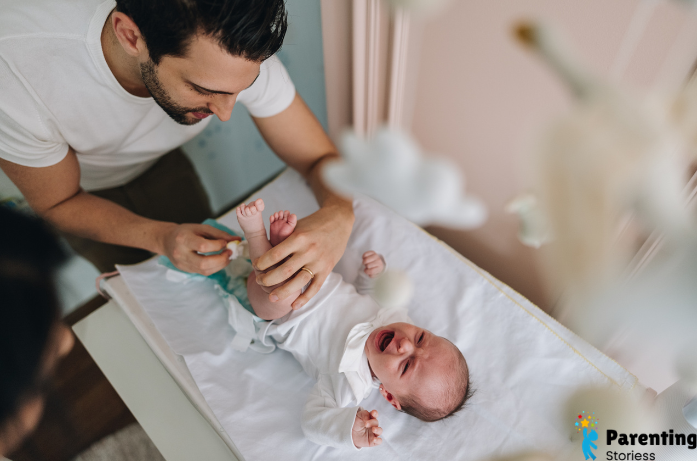
If your newborn cries during diaper change, you may wonder why such a simple routine causes so much fussiness. Many newborns cry during diaper changes because they feel cold, exposed, uncomfortable, or surprised by the sudden movement. Since babies cannot explain what they need, crying is their way of communicating their feelings.
The good news is that diaper-change crying is very common and usually improves with time. In this guide, I’ll explain the common causes of newborn crying during diaper change and share gentle, practical tips to help make this everyday routine calmer and more comfortable for your baby.
Why Does My Newborn Cry During Diaper Change?
Diaper changes are an important part of newborn care, but many babies find them uncomfortable at first. Since crying is the only way newborns can express their needs, they may cry during a diaper change because they feel cold, exposed, uncomfortable, or simply want the comfort of being held.
When I noticed my baby crying during diaper changes, I realized the tears were not always because of the diaper itself. Often, my baby was reacting to the sudden change from being warm and cozy to lying on a changing mat and being moved around. Understanding these little signs can help parents stay calm and make diaper changes feel safer and more comfortable for their baby.
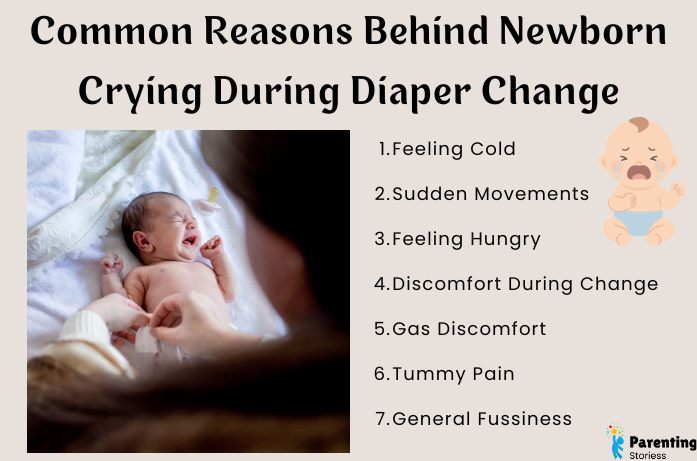
Common Reasons Behind Newborn Crying During Diaper Change
1. Feeling Cold When the Diaper Is Removed
One of the most common reasons babies cry during diaper changes is the sudden feeling of cold air on their skin. Newborns are used to being warm and comfortable, so even a few moments without clothing can feel uncomfortable for them.
When I noticed my baby becoming upset during diaper changes, I realized that keeping the room warm and making the process quicker helped a lot.
You can make your baby more comfortable by:
- Keeping the changing area warm
- Keeping the fresh diaper ready before starting
- Covering your baby’s upper body with a soft blanket while changing
Small changes like these can help your baby feel more secure.
2. Being Startled by Sudden Movements
Newborns have a natural startle reflex, which means quick movements can easily surprise them. Lifting their legs, opening the diaper suddenly, or moving them from your arms to the changing table may make them feel uneasy.
I learned that slowing down during diaper changes made a big difference. Gentle movements, a calm voice, and a reassuring touch can help your baby feel safe throughout the process.
3. Your Baby May Be Hungry
Sometimes, a baby’s crying during a diaper change is simply a sign of hunger. Newborns have small stomachs and need frequent feeds, so they may become upset if they are waiting to eat.
If your baby often cries before feeding time, try changing the diaper when your baby is calm or after a short feed, depending on what works best for your routine.
Every baby has different needs, so paying attention to your baby’s hunger cues can help you find the right timing.
4. Discomfort From Being Moved Around
Some newborns do not enjoy being handled during diaper changes. They may feel uncomfortable when they are placed on a flat surface, have their legs lifted, or have their clothes removed.
For a tiny baby, these new sensations can feel overwhelming.
During a diaper change, your baby may experience:
- Being moved from a comfortable position
- Cool air touching their skin
- Their legs being lifted
- Different feelings from wipes or cleaning
A gentle touch, eye contact, and a soft voice can remind your baby that they are safe and cared for.
5. Gas, Tummy Discomfort, or General Fussiness
Newborns often deal with gas and tummy discomfort because their digestive system is still developing. If your baby is already uncomfortable, lying down for a diaper change may make them cry more.
You may notice signs like:
- Pulling their legs toward their tummy
- Becoming red while crying
- Fussiness at certain times of the day
- Difficulty settling after feeds
Helping your baby burp properly after feeding and providing gentle comfort can sometimes reduce this discomfort. If your baby seems unusually uncomfortable or you have concerns, it is always best to speak with your pediatrician.
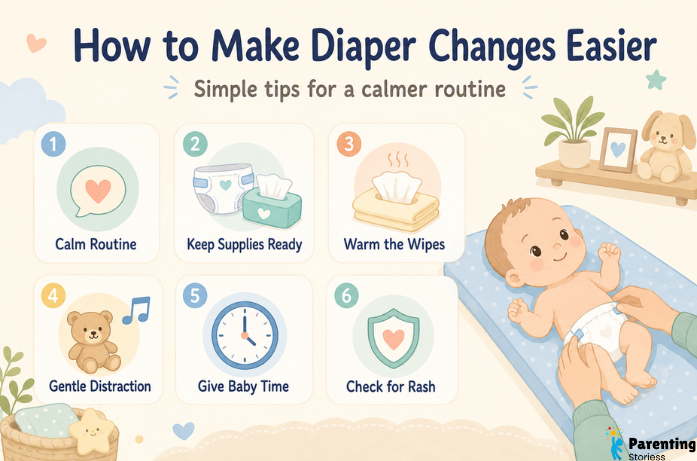
How to Make Diaper Changes Easier and More Peaceful
For new parents, learning the right diaper-changing routine can make the process easier and more comfortable for both you and your baby. The American Academy of Pediatrics shares helpful guidance on safe diaper-changing practices, including keeping your baby comfortable and maintaining good hygiene during changes.
Here are some gentle tips that can make diaper changes easier.
1. Create a Calm Changing Routine
Babies love familiarity. A simple routine can help them know what is happening.
Before changing the diaper, I started saying the same gentle words, such as “Mommy is going to change your diaper now.”
Even though my newborn could not understand the words, the familiar voice and routine helped create comfort.
You can try:
- Speaking softly
- Smiling at your baby
- Moving slowly
- Keeping the routine consistent
Over time, your baby may become more relaxed because the experience feels predictable.
2. Keep Everything Ready Before Starting
A rushed diaper change can make both parent and baby stressed.
Before placing your baby down, keep everything within reach:
- Clean diaper
- Wipes or cotton pads
- Diaper cream if needed
- Extra clothes
When everything is ready, you can spend less time with your baby feeling uncomfortable.
This simple habit helped me feel more confident as a new mom.
3. Warm the Wipes Before Using Them
Cold wipes can surprise a newborn, especially during nighttime changes.
A cold wipe touching warm skin can easily lead to crying.
You can make the experience gentler by:
- Using room-temperature wipes
- Warming wipes slightly in your hands first
- Using soft cotton and warm water when suitable
Always make sure anything touching your baby’s skin is safe and comfortable.
4. Use Distraction During Diaper Changes
As babies grow, distraction can become a helpful tool.
You can try:
- Singing a soft song
- Making eye contact
- Talking gently
- Giving your baby a safe toy to look at
Even newborns respond to familiar voices and loving attention.
Sometimes a simple smile from mom or dad can make the whole experience feel different.
5. Give Your Baby Time to Adjust
When I first became a mom, I wanted every cry to stop immediately. But I slowly learned that some crying is simply my baby expressing feelings.
A newborn crying during diaper change does not always mean something is wrong.
Your baby may just need time to adjust to this new routine. With patience and repeated gentle experiences, many babies become more comfortable.
6. Check for Possible Skin Irritation
Sometimes babies cry because diaper changes are uncomfortable due to sensitive skin.
Look for signs such as:
- Redness
- Rash
- Dry patches
- Skin irritation
Keeping your baby’s skin clean and dry is an important part of preventing discomfort during diaper changes. The Mayo Clinic provides helpful information about baby skin care, diaper rash prevention, and when parents should seek medical advice.
Keeping your baby’s skin clean, dry, and protected can help prevent discomfort. If you notice a rash that does not improve or seems painful, it is always a good idea to speak with your baby’s healthcare provider.
Should I Worry If My Baby Cries During Every Diaper Change?
As a mom, I understand how quickly worry can take over. When your baby cries during a simple daily activity, it is natural to wonder if something is wrong.
In many cases, crying during diaper changes is completely normal, especially during the newborn stage.
However, it may be helpful to talk with your pediatrician if:
- Your baby cries intensely during every change and cannot be comforted
- You notice signs of pain
- Your baby has a severe diaper rash
- Your baby seems uncomfortable even outside diaper changes
- You notice changes in feeding, sleeping, or behavior
Trust your instincts. Parents often notice small changes because they know their baby best.
What Helped Me Stay Calm During Difficult Diaper Changes
Motherhood taught me that every cry does not always need an instant solution. Sometimes, babies simply need comfort, patience, and the reassurance that they are safe.
When my baby cried during diaper changes, I reminded myself, “My baby is not trying to make things difficult. My baby is simply expressing a need or feeling uncomfortable.”
This small change in the way I looked at the situation helped me stay calm and respond with more love and patience. Instead of worrying that I was doing something wrong, I focused on comforting my baby and turning each diaper change into a gentle moment of connection and trust.
FAQs About Newborn Cries During Diaper Change
Final Thoughts: You Are Doing Better Than You Think
If your newborn cries during diaper change, remember that this phase is very common. Many newborns dislike the feeling of being uncovered, moved around, or exposed to cold air.
With time, patience, and gentle care, most babies become more comfortable with diaper changes. What feels difficult today may become a simple routine tomorrow.
The most important thing your baby needs is not a perfect diaper change. Your baby needs your loving hands, your comforting voice, and your reassurance that they are safe.
So take a deep breath, give yourself grace, and remember that every little moment of care is helping you build a beautiful bond with your baby. You are learning together, and you are doing a wonderful job.
Every baby is different, and diaper changes become easier with time and patience. Keep offering your baby comfort, love, and gentle care. For more newborn care tips and parenting guidance, explore more articles on Parenting Stories.
Medical Disclaimer
This article is for informational purposes only and does not replace professional medical advice. If you have concerns about your baby’s health or unusual symptoms, consult a qualified healthcare provider.