
Written with care by a loving mom at Parenting Stories
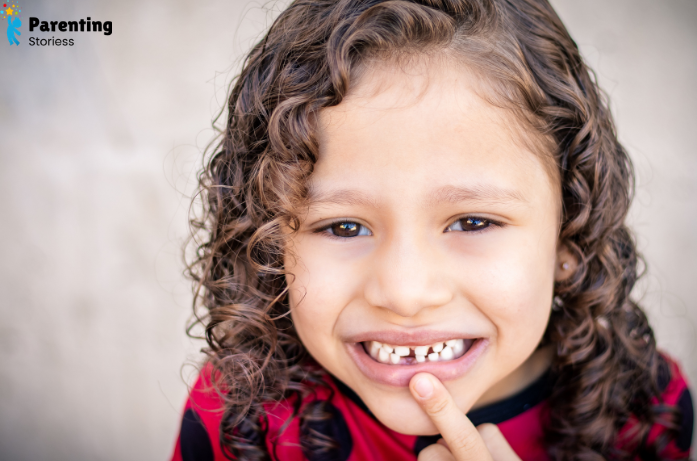
Watching your child grow comes with so many unforgettable milestones, and losing the first baby tooth is one that often surprises parents the most. Many parents naturally wonder when do kids start losing teeth, especially when that first tiny tooth begins to wiggle. Most children start losing their baby teeth between ages 5 and 7, with age 6 being the average. Usually, the bottom front teeth fall out first, followed by the top front teeth as permanent adult teeth begin growing underneath the gums.
If you are wondering when children’s teeth start falling out, what the signs are, or whether the timing of your child’s tooth loss is normal, you are not alone. Some children lose their teeth early, while others take a little longer; and both scenarios can be entirely normal and healthy. In this guide, you will learn about the complete sequence of baby tooth loss, common parental concerns, some helpful tips, and simple ways to make this exciting milestone even easier and more enjoyable for your child.
When Do Kids Start Losing Teeth?
Most children begin losing their baby teeth between the ages of 5 and 7 years old, with age 6 being the average starting point. According to the American Academy of Pediatrics, this process usually begins with the bottom front teeth followed by the upper front teeth.
Usually, the first teeth to become loose are:
- The bottom front teeth
- The top front teeth
These are also typically the first baby teeth that appeared during infancy.
If your child starts losing teeth a little earlier or later, try not to panic. Genetics, development, nutrition, and overall growth patterns can all affect timing.
Some perfectly healthy children lose their first tooth at age 4, while others may not lose one until age 7 or even 8.
Why Do Kids Lose Baby Teeth?
Baby teeth are temporary teeth designed to hold space for permanent adult teeth.
Underneath the gums, adult teeth slowly begin developing years before they appear. As these permanent teeth grow, they push against the roots of the baby teeth.
The Mayo Clinic explains that baby teeth act as important placeholders for adult teeth and help guide proper dental development.
Over time:
- The baby tooth roots dissolve
- Teeth become loose
- The tooth eventually falls out naturally
This process is completely normal and healthy.
When do kids start losing baby teeth depends largely on how quickly their permanent teeth develop under the gums.
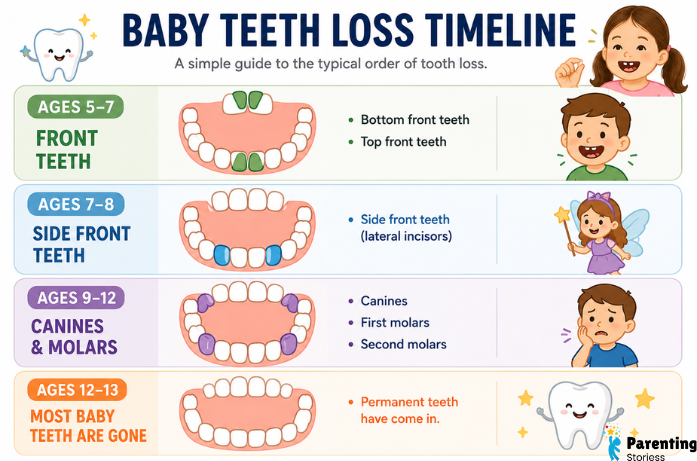
The Full Baby Teeth Loss Timeline
Parents often feel reassured when they understand the general timeline of tooth loss.
Here’s the typical order most children follow:
Ages 5–7: Front Teeth Fall Out
Usually the first teeth lost are:
- Lower central incisors (bottom front teeth)
- Upper central incisors (top front teeth)
This is the stage where kids often have adorable gap-toothed smiles.
Ages 7–8: Side Front Teeth
The teeth beside the front teeth, called lateral incisors, usually loosen next.
Children at this age often become very excited about the Tooth Fairy and comparing lost teeth with classmates.
Ages 9–12: Canines and Molars
The larger teeth begin falling out:
- Canines
- First molars
- Second molars
These teeth sometimes feel more uncomfortable because they have bigger roots.
By Age 12–13: Most Baby Teeth Are Gone
By early teenage years, most children have lost all 20 baby teeth and replaced them with permanent teeth.
Signs Your Child Is About to Lose a Tooth
Some children proudly announce every tiny wiggle, while others barely notice.
Here are common signs parents may see when do kids start losing their baby teeth:
1. A Loose or Wiggly Tooth
This is usually the first obvious sign. Your child may constantly move it with their tongue or fingers.
2. Mild Gum Tenderness
The gums around the loose tooth may look slightly swollen or red.
3. Trouble Biting Hard Foods
Crunchy snacks may suddenly become uncomfortable.
4. Adult Tooth Growing Behind Baby Tooth
Sometimes permanent teeth begin coming in before the baby tooth falls out.
Parents often panic when they see this, especially on the bottom front teeth, but it’s actually fairly common.
What If Adult Teeth Grow Before Baby Teeth Fall Out?
Sometimes, parents notice that a new permanent tooth begins to emerge behind a child’s baby tooth before the latter has even fallen out. This phenomenon is commonly referred to as “shark teeth,” and while it may appear concerning at first glance, it is actually quite common in children.
In many cases, the baby tooth will loosen and fall out on its own within just a few weeks. Encourage your child to gently wiggle the tooth, continue brushing as usual, and eat crunchy foods if they feel comfortable doing so. If, after some time, the baby tooth still does not loosen, a paediatric dentist may recommend extracting it to create space for the permanent tooth.
Cleveland Clinic notes that in many cases, the baby tooth eventually loosens and falls out naturally as the permanent tooth continues growing.
When Do Kids Start Losing Their Teeth Earlier Than Normal?
Some children lose teeth earlier because:
- They developed teeth early as babies
- Genetics
- Injury or trauma
- Tooth decay
If a tooth falls out because of an accident or severe cavity, it’s important to speak with a dentist.
Baby teeth help guide adult teeth into proper position. Losing them too early can sometimes affect spacing and alignment later.
What If My Child Hasn’t Lost Any Teeth Yet?
Parents often become concerned when classmates are losing teeth while their child still has all baby teeth.
In most cases, late tooth loss is not a problem.
Some children are simply “late bloomers.”
However, you should mention it during dental visits if:
- Your child is older than 7 or 8 with no loose teeth
- Adult teeth aren’t visible on X-rays
- There are concerns about jaw growth
Dentists can quickly check whether permanent teeth are developing normally.
Should You Pull Out a Loose Tooth?
Many parents feel tempted to help pull out a loose tooth, especially when it’s hanging and bothering their child. But in most cases, it’s better to let the tooth fall out naturally. Pulling it too early can cause pain, bleeding, or make your child feel scared and uncomfortable.
Instead, encourage your child to gently wiggle the tooth with clean fingers or their tongue. Eating soft or slightly crunchy foods can also help loosen it naturally. Once the tooth is barely attached and your child feels comfortable, it will usually come out easily on its own.
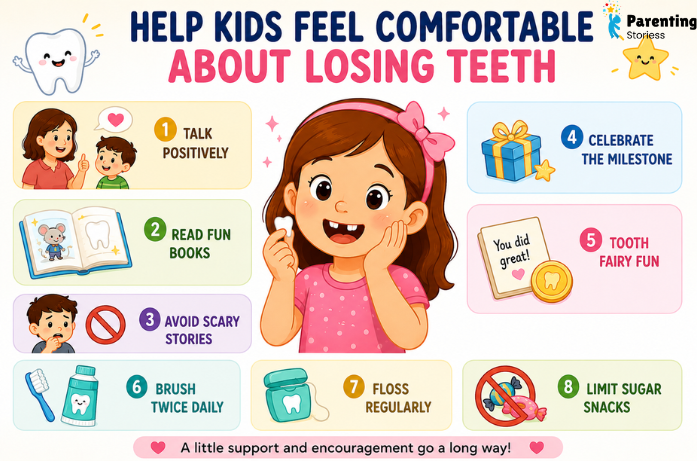
How to Help Kids Feel Comfortable About Losing Teeth
Not every child feels excited about losing a tooth. Some kids may feel nervous about pain, blood, swallowing the tooth, or having gaps in their smile. Parents can make this stage easier by staying calm, positive, and supportive.
Simple Ways to Help Your Child Feel Comfortable
- Talk positively about loose teeth and growing up
- Read fun books about losing teeth
- Avoid scary stories or jokes about pain
- Celebrate the milestone with small surprises or Tooth Fairy fun
- Leave a tiny Tooth Fairy note or special coin to make it exciting
- Encourage brushing twice daily with fluoride toothpaste
- Start flossing regularly as permanent teeth come in
- Limit sugary snacks and drinks to protect new adult teeth
Small moments of encouragement and reassurance can help children feel confident and excited about this new stage of growing up.
Visit the Dentist Regularly
Routine checkups help monitor:
- Tooth alignment
- Cavities
- Jaw development
- Orthodontic concerns
Practical Tips for Parents During the Tooth-Losing Years
The tooth-loss stage becomes much easier with a little preparation.
Keep Tissues Nearby
Loose teeth often fall out unexpectedly during meals, school, or bedtime.
Offer Softer Foods if Needed
Soup, yogurt, pasta, or smoothies can help when gums feel sore.
Encourage Good Hygiene
Children sometimes avoid brushing near loose teeth. Gentle brushing is still important.
Avoid Comparing Kids
Every child develops differently.
Try not to compare your child’s timing with siblings or classmates.
Save the Memories
Take photos of those adorable toothless smiles. These moments pass quickly.
When to Call a Pediatric Dentist
Most loose teeth are completely normal, but contact a dentist if:
- There is severe pain or swelling
- Teeth are lost after injury
- Adult teeth are not developing
- Baby teeth remain firmly stuck for too long
- Permanent teeth appear severely crowded
A quick dental visit can provide reassurance and prevent future issues.
Final Thoughts: Every Child’s Smile Grows at Its Own Pace
If you’ve been wondering when do kids start losing teeth, most children begin around age 6, but every child grows at their own pace. Some kids lose their first tooth early, while others take a little longer, and in most cases, both are completely normal and healthy.
These little moments of loose teeth, Tooth Fairy excitement, and gap-toothed smiles may feel small now, but they quickly become precious childhood memories. So enjoy this stage, take the photos, and celebrate the milestone. Most importantly, remember that your child doesn’t need a perfect timeline they simply need your love, patience, and reassurance along the way.
Enjoyed this guide? Share it with another parent who’s going through the loose tooth stage, and explore more helpful parenting tips on Parenting Stories for every childhood milestone.
Common Questions Parents Ask
1. Is It Normal for Kids to Swallow a Tooth?
Yes. It happens more often than parents realize, especially during sleep or meals. Swallowed baby teeth usually pass naturally without causing problems.
2. Why Are Permanent Teeth More Yellow?
Adult teeth naturally appear slightly darker or yellower than baby teeth because they contain more dentin. This is completely normal.
3. Why Do Permanent Teeth Look So Big?
Children’s mouths are still growing, so adult teeth often seem oversized at first. As the jaw develops, the smile usually becomes more balanced.
4. Why Is There Bleeding After a Tooth Falls Out?
A small amount of blood is normal. Have your child bite gently on clean gauze or tissue for several minutes.
Disclaimer: This article is for informational purposes only and should not replace professional dental or medical advice. Always consult a pediatric dentist or healthcare provider for concerns about your child’s dental health.